

What’s New
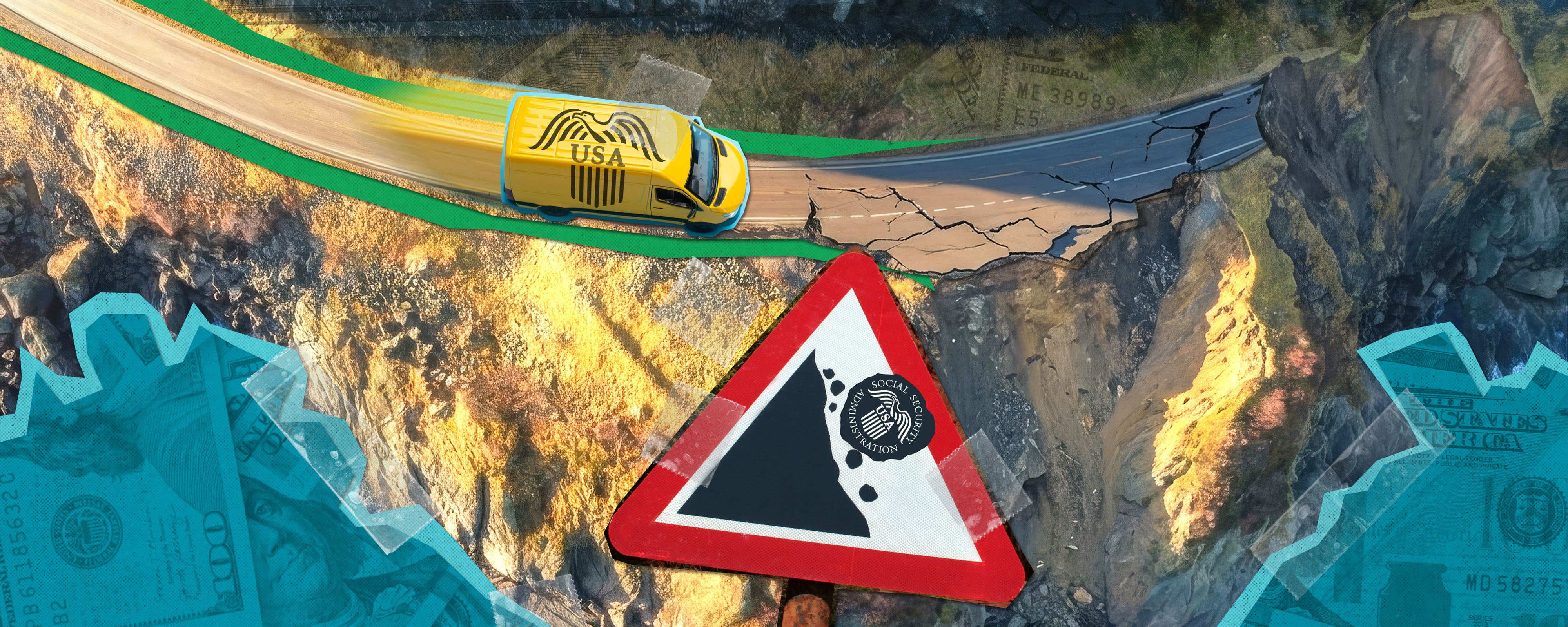
The Social Security Boards of Trustees submitted their annual report to Congress and its news is not good. In a nutshell, the program is projected to become insolvent in 2032 — a year earlier than previous estimates — and will have to make an automatic 22% cut to retirement benefits.
What it Means
Social Security retirement benefits are paid for through your payroll taxes. That might sound simple, but it becomes more complicated in practice.
Two demographic trends – lower birth rates and longer life expectancies – have created an imbalance in the ratio of workers paying into the program and retirees receiving benefits. For example, there were 42 workers paying into the system for each retiree collecting benefits in 1945. In 2022, there were fewer than 3 workers for each retiree.
As a result, Social Security has been sending out more money in benefit checks than it has taken in through payroll taxes since 2010. The program has paid for the shortfall through surpluses from previous years, but that surplus is running out.
When that surplus runs out completely, the program will reach insolvency. If that happens, the program could only rely on payroll taxes to pay out promised benefits.
For a deeper dive on Social Security and its insolvency challenges, check out our Social Security Policy Library.
What You Need to Know
Here are five key takeaways from this year’s Trustees report:
1. Social Security’s insolvency is only 6 years away
Last year, Social Security was projected to go insolvent in 2033. This year’s report moved that date up to 2032. At that point, the program won’t have enough money coming in to pay out the retirement benefits that it's promised and no more surplus to cover the difference.
2. Beneficiaries face automatic benefit cuts
When the program reaches insolvency, Social Security retirement benefits will be automatically cut across the board by 22%. For an average earner retiring in 2032, that would result in an almost $600 monthly benefit cut.
3. Benefit cuts will not only impact retirees
This cut in benefits will still be felt by many who are not close to retirement. For instance, AARP reports that 1 in every 4 adults is a caregiver. Of these individuals, 1 in 3 is under age 50 and 94% are caring for adults. In addition, the average annual amount caregivers spend on caregiving is $7,242. That number will likely skyrocket if Social Security benefits are cut.
4. Both parties have accelerated the timeline
The truth is that both Republicans and Democrats have played a part in this crisis and accelerated the timeline. In fact, each one contributed to it last year.
Shortly before leaving office in early 2025, President Biden signed into law the Social Security Fairness Act, which expanded benefits for people who worked in jobs that were not covered by the program. Later in 2025, President Trump signed into law the One Big Beautiful Bill Act, which reduced the income tax paid on Social Security benefits. Both of these bills accelerated Social Security’s insolvency.
At a recent House Ways and Means Committee hearing, Rep. Jason Smith (R-MO) said, “Congress needs to get their act together to address Social Security and the insolvency that’s coming, instead of poking blame at other people whenever it is our duty and our responsibility.”
5. Solving this crisis will require bipartisan compromise
The report made clear that time is running out to address Social Security’s insolvency, and the longer we wait, the harder it will be to solve.
Mark Sarney, Director of Social Security at the Committee for a Responsible Federal Budget, said, “Maybe 30 years ago, you could have solved the shortfall with one option, but now you need a package of options. Both sides will have to compromise on things.”
Fortunately, lawmakers on both sides of the aisle agree it is time to act. In a joint statement, Sens. Dick Durbin (D-IL), Bill Cassidy (R-LA), Tim Kaine (D-VA), and Thom Tillis (R-NC) said, “It’s clear now that Congress shouldn’t delay any longer. … We say to our colleagues: join us in doing what we were elected to do — legislate on hard issues and protect this lifeline program for our kids and grandkids.”
.webp)








.svg)

