
What It Means for You
The federal budget has implications for your policy priorities, the benefits you’ve been promised, and the prices you pay.
DIFFICULT CHOICES
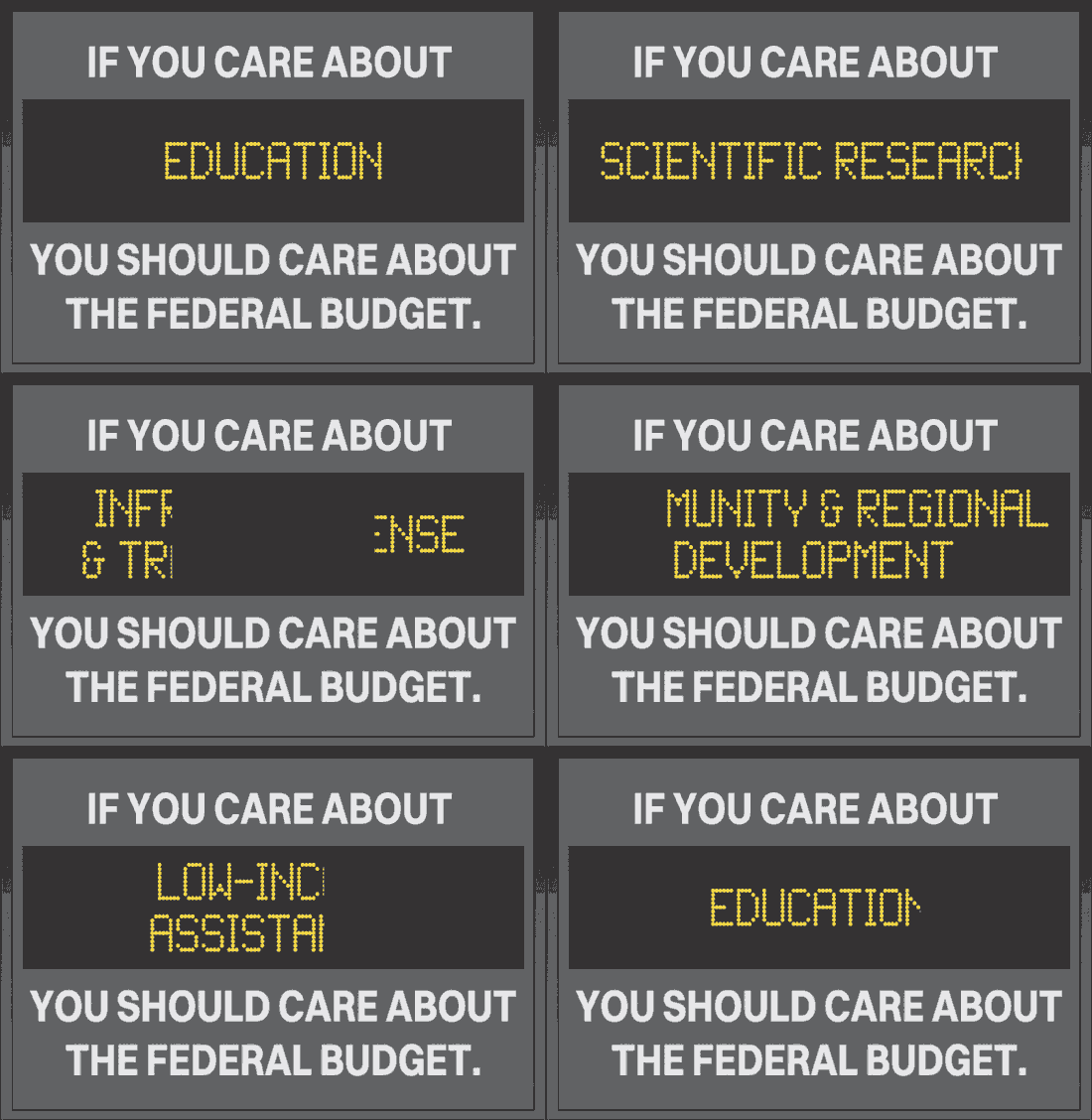
Remember “The Pac-Man Effect?” Here’s a quick refresher: It’s when the growth in mandatory spending crowds out discretionary spending. This leaves a smaller proportion of the budget for programs and priorities you may care about.
If you want to fund or expand those programs, where will we get that money? Are you willing to cut other spending? Are you willing to raise revenue through taxes?

Promises that can’t be kept
The federal government provides benefits to over 70 million Americans through two major mandatory spending programs:
- Social Security: This entitlement program provides retirement income as well as survivors and disability benefits.
- Medicare: This federal health insurance program, primarily for senior citizens, makes health care accessible to millions of people.
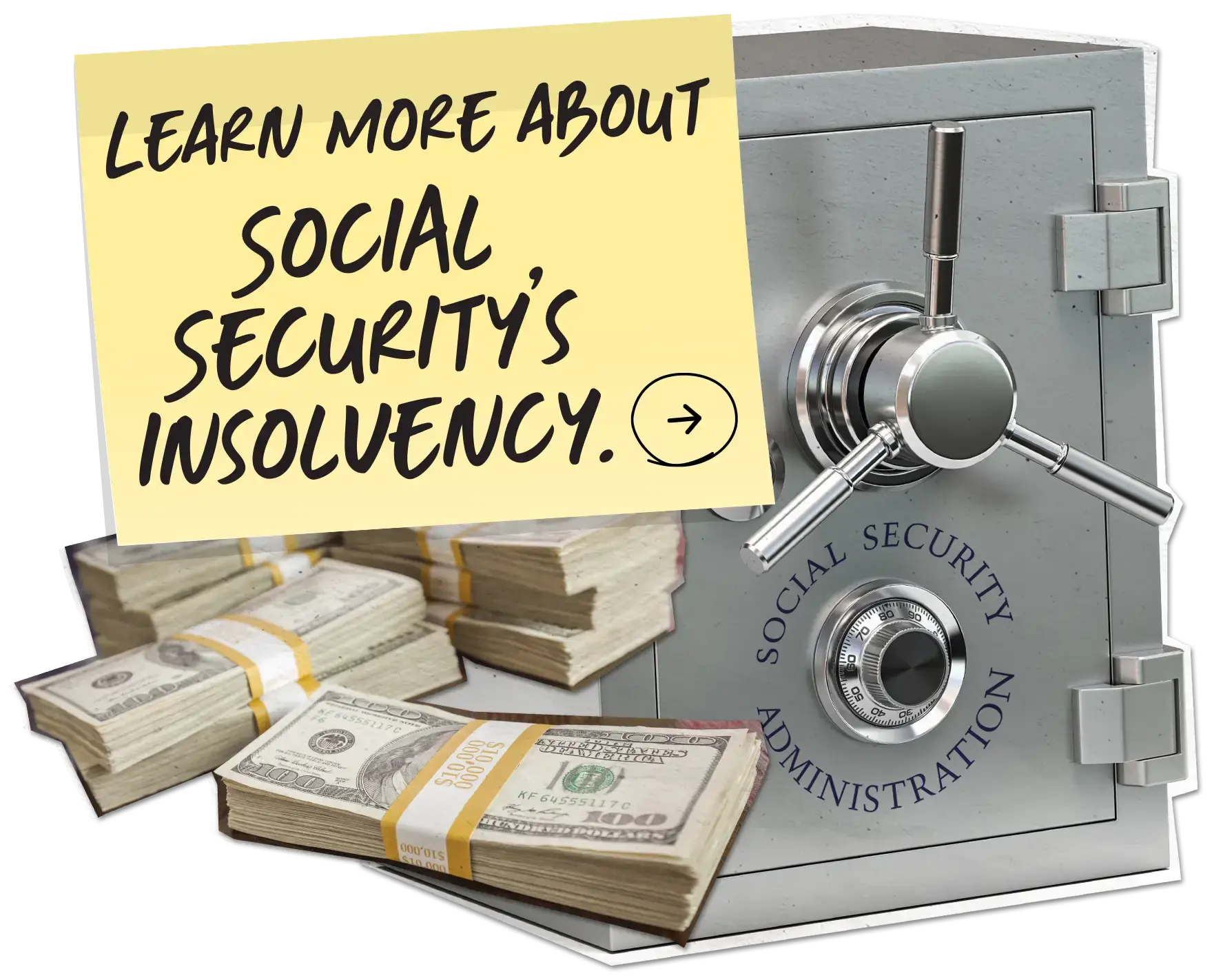
By law, these programs require major cuts when they reach insolvency. On their current trajectories, both programs will reach that milestone in 2033. At that point, projections indicate that Social Security will have to cut retirement benefits by 23%, and Medicare will have to cut payments to hospitals by 11%.
Missing the bigger picture
The current process makes it challenging to take a holistic look at the budget. Discretionary spending is the only part Congress has to reevaluate each year. That means most of the budget is “on autopilot” with the portion Congress controls continuing to shrink.
- Discretionary spending only makes up around 25% of overall spending, with mandatory spending making up the rest.
- And the budget isn’t just spending. It also includes revenue, which Congress isn’t required to reevaluate annually.
The ball also gets dropped many times during this process. For example, the president may not submit their budget request on time, or Congress may miss the deadline for its concurrent resolution.
Despite all these challenges, lawmakers have taken a holistic look at the budget numerous times in the past. Examples include the Budget Enforcement Act of 1990, the Balanced Budget Act of 1997, and the Budget Control Act of 2011. It just takes leaders who are willing to reach across the aisle.
Members of Congress are elected to represent your priorities. If you want to be represented by leaders who are willing to take on these challenges, think about making the federal budget one of your priorities as a voter.
After all, whether it’s through the taxes you pay or the benefits you receive, the federal budget has tangible impacts on your everyday life.


.svg)

